Sole Searching: The Ultimate Beginner's Guide to Every Type of Running Shoe
Carbon plates, arch support, aggressive tread — how do you know which pair is right for you? A beginner-friendly breakdown of the five primary types of running shoes and how to choose the right pair for your feet.
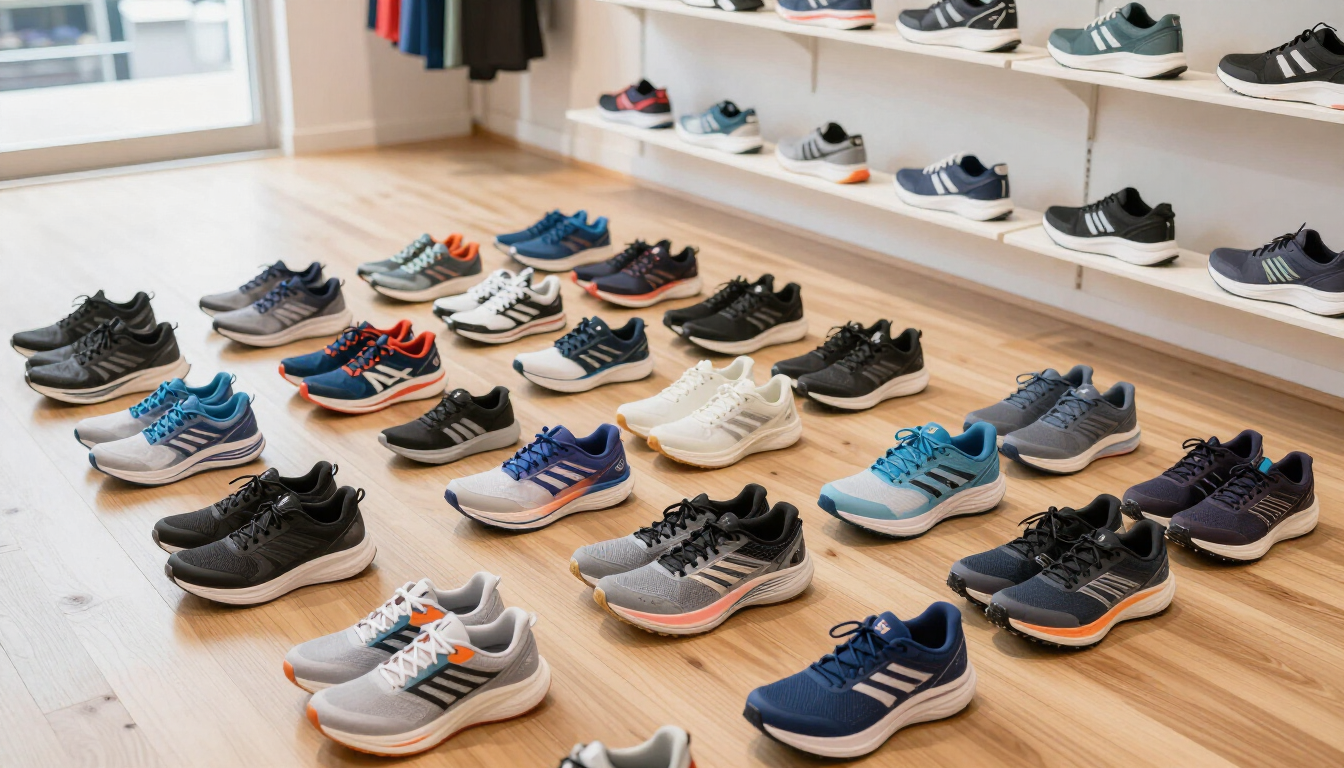
Lacing up for your first run is an exciting milestone, but stepping into a running store or browsing online can quickly feel overwhelming. Between carbon plates, arch support, and aggressive tread patterns, how do you know which pair is right for you?
Choosing the wrong shoe can lead to discomfort, premature fatigue, or even injury. To keep your runs comfortable and enjoyable, here is a beginner-friendly breakdown of the five primary types of running shoes and how to choose the right pair for your feet.
1. Neutral Running Shoes
Best For: Runners with normal arches, a natural gait, and those seeking an all-around daily trainer.
Neutral running shoes are the most common category on the market. They are designed for runners whose feet roll inward naturally just a healthy amount (a process called pronation) when striking the ground.
How They Work: Neutral shoes focus on uniform cushioning underfoot without built-in structural supports that force your foot into a specific path.
When to Wear Them: They are your reliable daily workhorse—perfect for road runs, treadmill workouts, and casual jogging around your neighborhood.
2. Stability Running Shoes
Best For: Runners with mild-to-moderate overpronation, flatter feet, or runners who feel their ankle rolls inward excessively with each step.
If your feet tend to collapse inward when you walk or run, stability shoes provide the extra reinforcement you need to keep your body aligned.
How They Work: These shoes feature subtle structural elements—such as denser foam on the inner edge of the sole (medial post) or guide rails along the sides—to gently keep your foot moving in a straight, natural line.
When to Wear Them: Use them for long distance training, daily miles, or recovery runs where fatigue causes your running form to break down.
3. Trail Running Shoes
Best For: Off-road adventures, dirt paths, rocky trails, mud, and uneven terrain.
Taking your runs off the pavement requires a completely different kind of footwear built for durability and traction.
How They Work: Trail shoes feature deep rubber lugs on the outsole to dig into loose dirt and mud, protective toe guards to shield against rocks and roots, and stiffer underfoot plates to protect your feet from jagged edges.
When to Wear Them: Save these exclusively for nature trails, state parks, and mountain paths. Avoid using them on smooth pavement, as asphalt will quickly wear down the specialized rubber lugs.
4. Racing Shoes (Speed / Carbon-Plated)
Best For: Race day, fast tempo runs, and runners looking to set a personal record (PR).
Engineered strictly for speed, racing shoes prioritize lightweight performance, maximum energy return, and propulsion.
How They Work: Modern racing shoes pack ultra-responsive, soft foam alongside a rigid carbon-fiber plate embedded in the midsole. This combination acts like a spring, propelling you forward with less effort per stride.
When to Wear Them: Save these for 5K to marathon race days or occasional high-speed track workouts. Because they sacrifice durability for weight savings, they shouldn't replace your everyday training shoe.
5. Motion Control Running Shoes
Best For: Runners with flat feet, severe overpronation, or those needing maximum support and injury prevention.
Motion control shoes sit at the most supportive end of the spectrum, offering maximum rigidity to handle severe foot alignment issues.
How They Work: Built on a wider, flatter base, these shoes feature heavy-duty support posting, firm midsoles, and rigid heel counters to physically block the foot from rolling too far inward.
When to Wear Them: Ideal for runners who require maximum stability on every run to prevent chronic knee, hip, or ankle pain caused by severe overpronation.
Quick Buyer's Checklist
When shopping for your first pair, keep these three golden rules in mind:
Prioritize Fit Over Style: Never buy a shoe based on color alone. Ensure you have about a thumb's width of space between your longest toe and the end of the shoe.
Consider Your Running Surface: If 90% of your runs are on sidewalk or asphalt, stick to neutral or stability road shoes.
Get Your Gait Analyzed: Visit a local specialty running store where staff can analyze your stride on a treadmill to pinpoint whether you need neutral, stability, or motion control support.
As an Amazon Associate I earn from qualifying purchases. Links in this article are affiliate links — you pay the same price, and it keeps our testing independent.