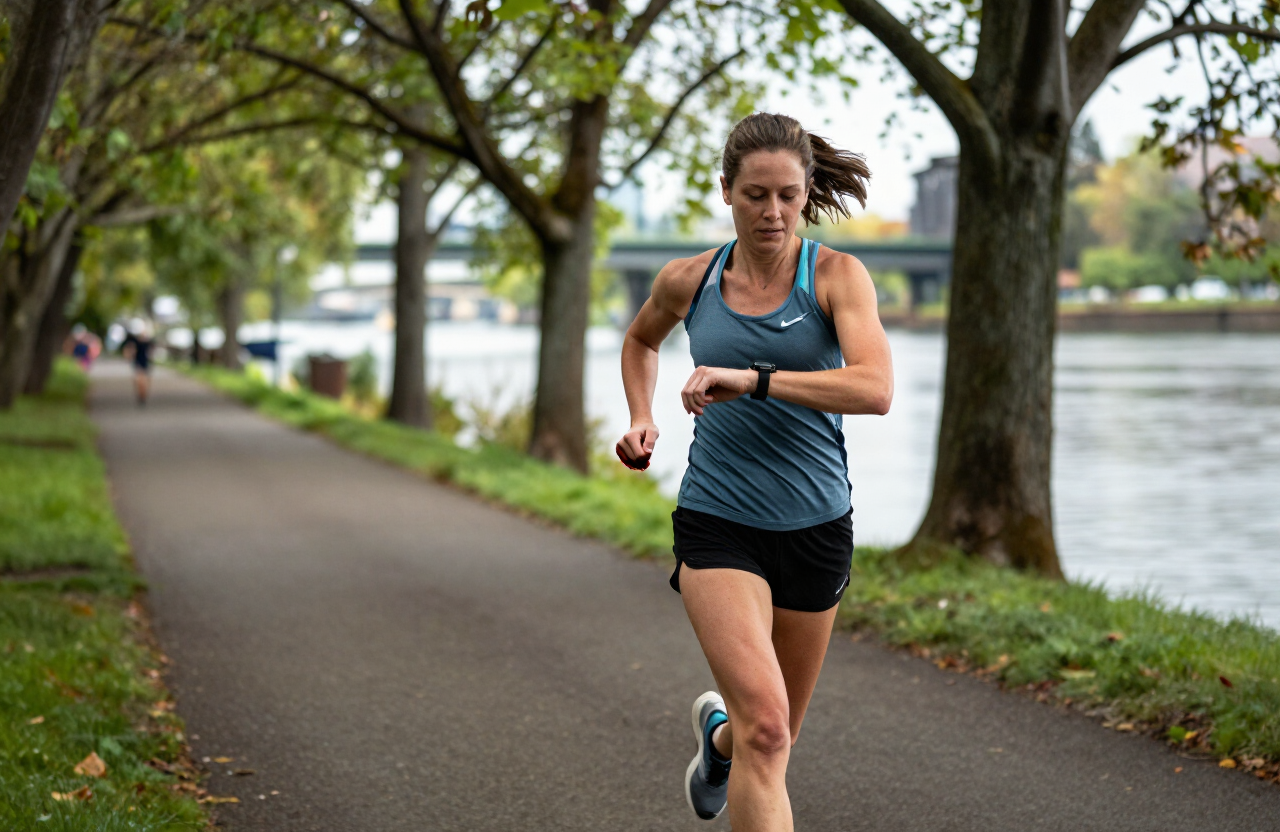
How to Train for Your First Race — From Parkrun to Marathon
Your first race is not about the time on the clock — it is about getting to the start line healthy. Here is how to build a training plan that works for any distance, and the gear you actually need.

Signing up for your first race is the moment running stops being "a jog" and becomes a goal. Whether that goal is a 5K parkrun on Saturday morning, a 10K around your city, a half marathon, or the full 26.2, the path to the start line is more similar than most beginners think. The distance changes the volume — not the principles. Here is how to train smart, stay injury-free, and arrive on race day ready to run.
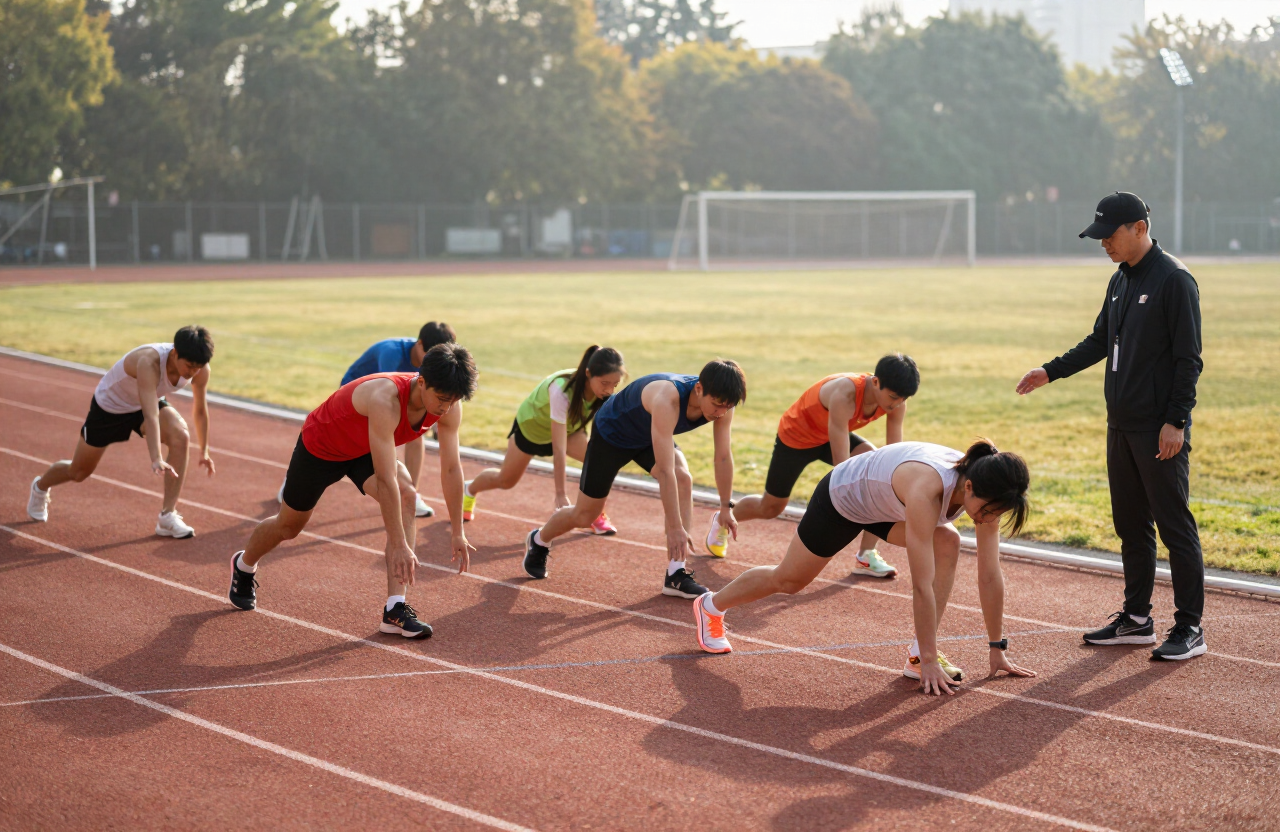
Step 1: Pick your distance and set a realistic goal
Be honest about where you are starting from. If you have not run in a year, a parkrun (5K) in eight weeks is a great first target. A 10K needs roughly 10–12 weeks if you are starting from zero. A half marathon deserves 14–16 weeks, and a full marathon needs 16–20 weeks of consistent training. Your goal for race number one should be to finish feeling strong — not to hit a specific pace. Chasing a time before you have built the engine is how beginners get hurt in week four.
Step 2: Build the base before you build the speed
Every training plan, no matter the distance, rests on the same three runs: an easy run, a long run, and one harder session. The easy runs are where your aerobic engine grows — and they should feel genuinely easy, the kind of pace where you can hold a conversation. The long run stretches your endurance one weekend at a time. The hard session (intervals, tempo, or hills) is the only run where you should be uncomfortable. Most beginners run their easy runs too fast and their hard runs too slow — fix that and everything improves.
A simple first-week structure for a 5K or 10K beginner: three runs per week — two easy 20–30 minute runs midweek and a longer run on the weekend that grows by 10–15 minutes each week. Add one rest day between every run. For half and full marathon training, you will add a fourth run and stretch the weekend long run up to 10–12 miles (half) or 18–22 miles (full) before tapering.
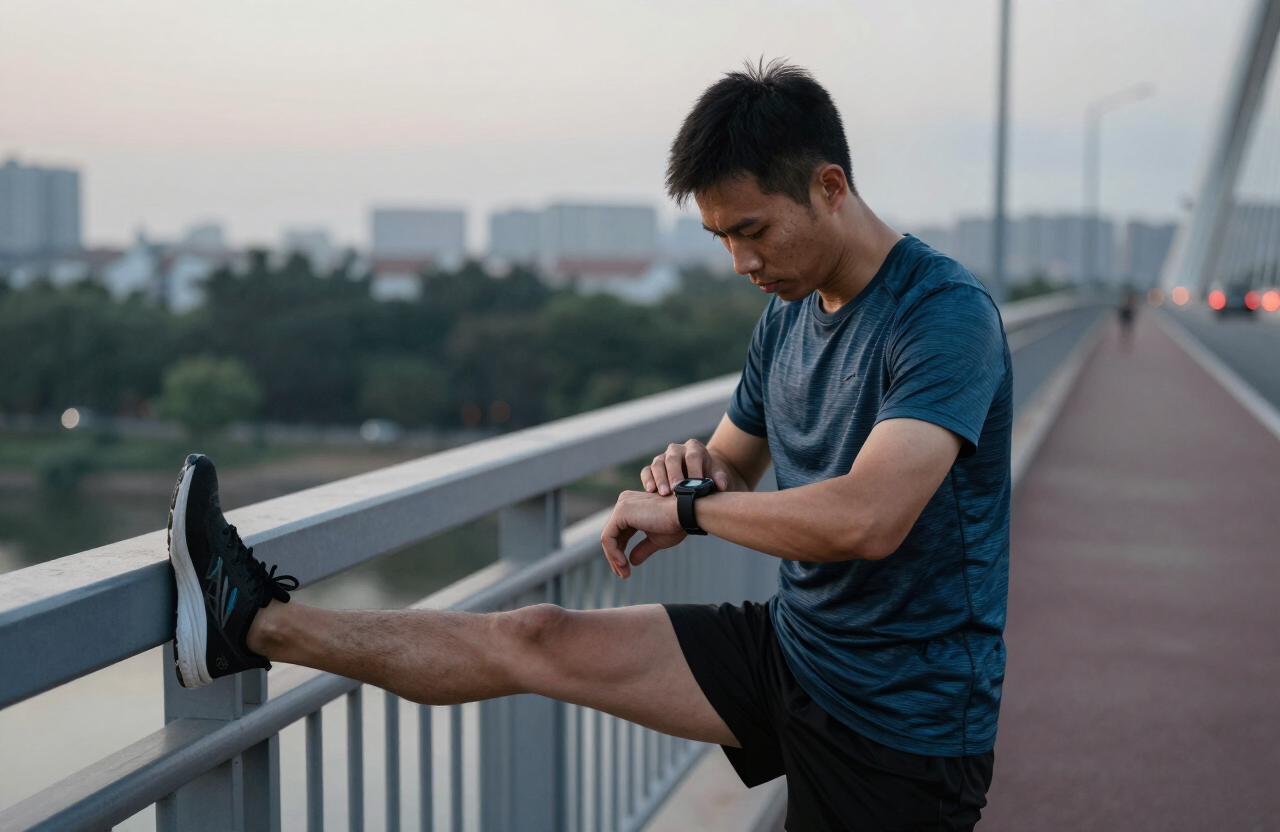
Step 3: Track your training so you can trust it
You cannot improve what you do not measure. A running watch gives you pace, distance, heart rate and recovery in one glance, and the training-readiness scores keep beginners from doing the most common dangerous thing — running hard on tired legs. If you are training for anything longer than a 5K, a watch moves from nice-to-have to genuinely useful.
 Amazon’s Choice
Garmin Forerunner® 265 Running Smartwatch, Colorful AMOLED Display, Training Metrics and Recovery Insights, Black and Powder Gray
A running-focused smartwatch with a vivid AMOLED display, advanced training and recovery metrics, multi-band GPS, music and Garmin Coach.
Step 4: The must-have gear for your first race
Running is a low-gear sport, but three things are non-negotiable: shoes that fit, a shirt that does not chafe, and socks that do not give you blisters. Everything else is optional. Do not buy a full wardrobe for race one — buy the three things that touch your body for every mile.
The shoes: fit beats features
Your first real running shoe should be a daily trainer — cushioned, comfortable, and built for the slow miles that make up 80% of a beginner plan. The Hoka Mach 6 is the shoe we point new runners toward: soft enough that long runs do not beat you up, responsive enough that you can pick up the pace on workout days, and forgiving enough that a less-than-perfect gait will not punish you.
 Editor’s Choice
Hoka Womens Mach 6
A lightweight, responsive road-running shoe with a smooth ride and energetic cushioning for everyday miles and faster sessions.
The shirt: wicking fabric, not cotton
Cotton holds sweat and chafes — the two things that ruin a long run. A lightweight, moisture-wicking tank like the YYV workout top keeps you dry and moves with you, and at this price you can buy two and always have a clean one ready. This is the cheapest comfort upgrade in the sport.
 Workout Pick
YYV Women's Workout Tank Tops Lightweight Sleeveless Shirts for Women Loose Fit Tops for Athletic Running Tennis Yoga
A lightweight, breathable loose-fit tank with moisture-wicking fabric and a slit hem for comfortable movement through runs, tennis sessions and yoga.
Step 5: Taper, fuel, and trust the work
In the last two weeks before your race, cut your volume — not your intensity. Run less, but keep a few short, sharp efforts so your legs remember how to turn over. Eat familiar food the night before, nothing new. On race morning, arrive early, warm up easy, and start slower than you think you need to. The adrenaline of the start line will make your goal pace feel effortless for the first mile — let the crowd go and hold back. Every runner who negative-splits their first race does this.

The bottom line
Your first race is a finish line, not a stopwatch. Build an aerobic base with easy miles, stretch the long run one weekend at a time, invest in shoes that fit and a shirt that wicks, and let a watch keep you honest. Do that for 8 to 20 weeks depending on your distance, and you will cross the line already planning race number two.
As an Amazon Associate I earn from qualifying purchases. Links in this article are affiliate links — you pay the same price, and it keeps our testing independent.